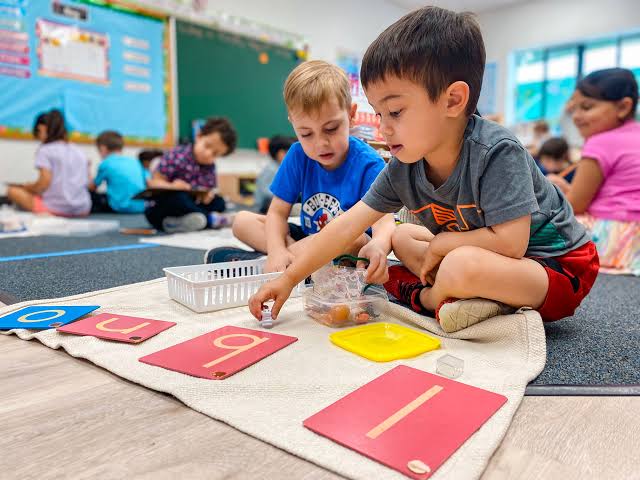
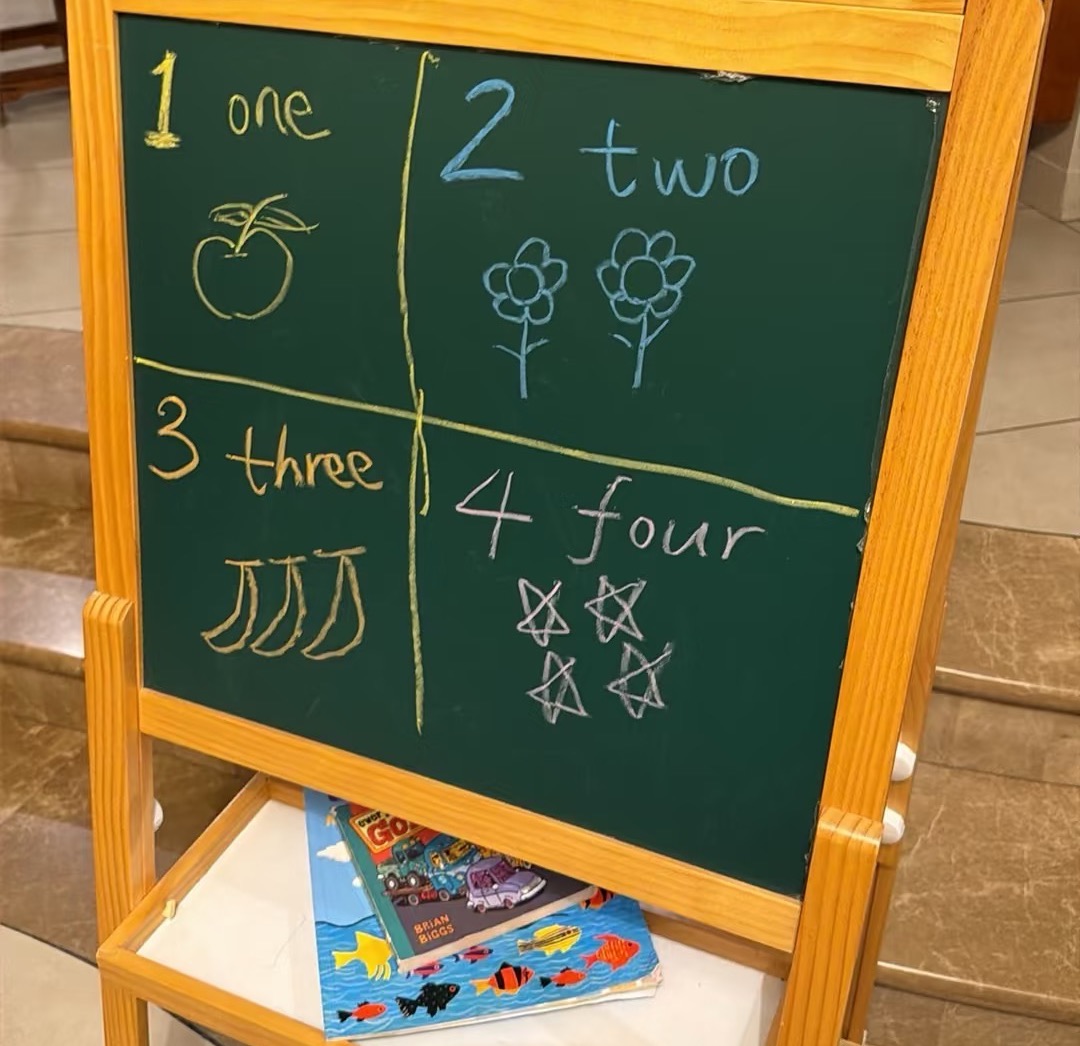
The Golden Window for Number Sense (Ages 4–8): Real-Life Math Works 10x Better Than Drill Worksheets
During the critical window for building number sense between ages 4 and 8, weaving math into everyday routines like grocery shopping, cooking, and going places develops real understanding and practical skills far more effectively than drilling worksheets, while keeping kids genuinely interested in learning.
Read Full ArticleNew This Week
Latest Articles



Just Added
More New Articles

Understanding Erikson’s First Four Stages of Development: A Guide for Parents
Erik Erikson’s theory of psychosocial development offers a useful way to understand how children’s emotional and social needs change as they grow. This guide explores the first four stages, from infancy through the school years, and what they can mean for everyday parenting.

How Early Education Helps Children Develop Social Skills
Does your child behave like this in everyday situations?

Healthy Eating Habits Every School-Age Child Should Learn
School-age children, generally defined here as children from 6 years old to under 18, are in a critical stage of growth and development. Their needs for energy and nutrients are significantly greater
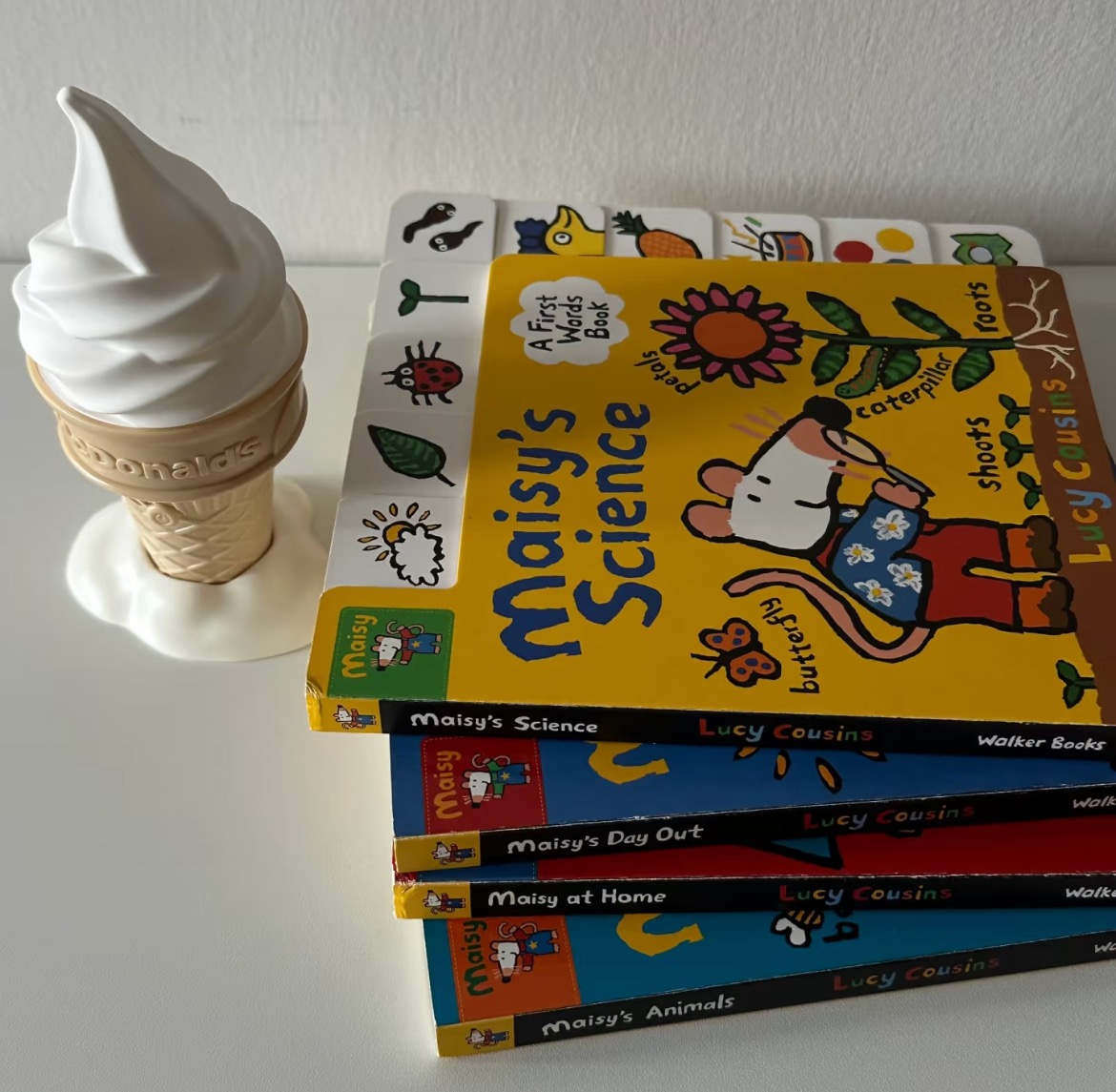
Stop Buying Picture Books at Random: How to Choose and Read Them for Ages 0–6
Shared picture-book reading should begin at birth, with book types selected according to a child's age from 0 to 6, and its effectiveness improved by matching the book's tone, using voices to bring characters to life, and asking timely questions that convey thoughtful interpretation and emotion.
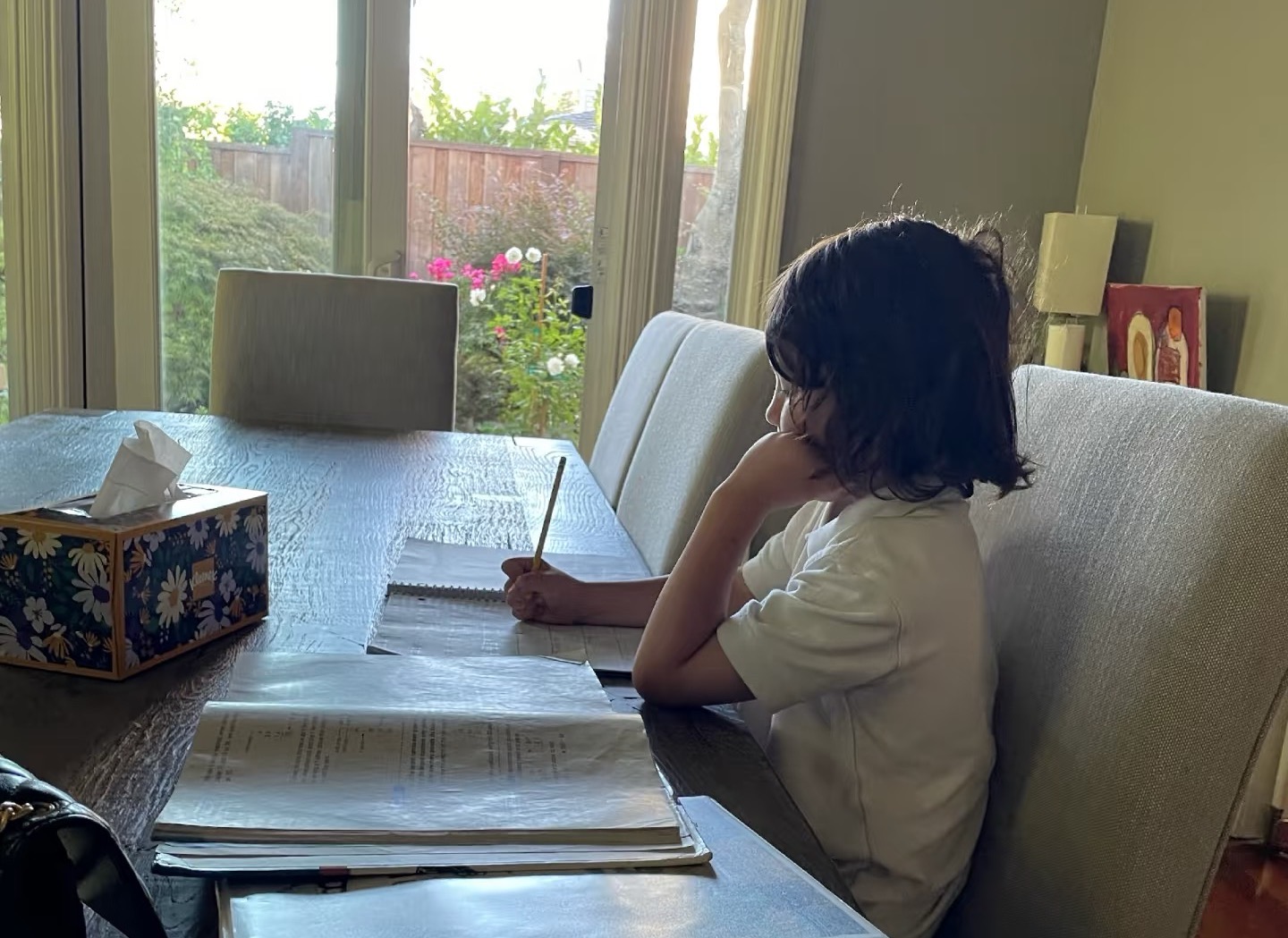
Homework Without Yelling or Nagging: A Replicable Process That Gets Kids to Start on Their Own, Write Faster, and Make Fewer Mistakes
Homework management does not rely on nagging or scolding; a consistent routine, clear time boundaries, and calm parental support are all it takes to help children gradually develop autonomy, focus, and self‑checking habits, so they eventually start willingly, work more efficiently, and make fewer mistakes.
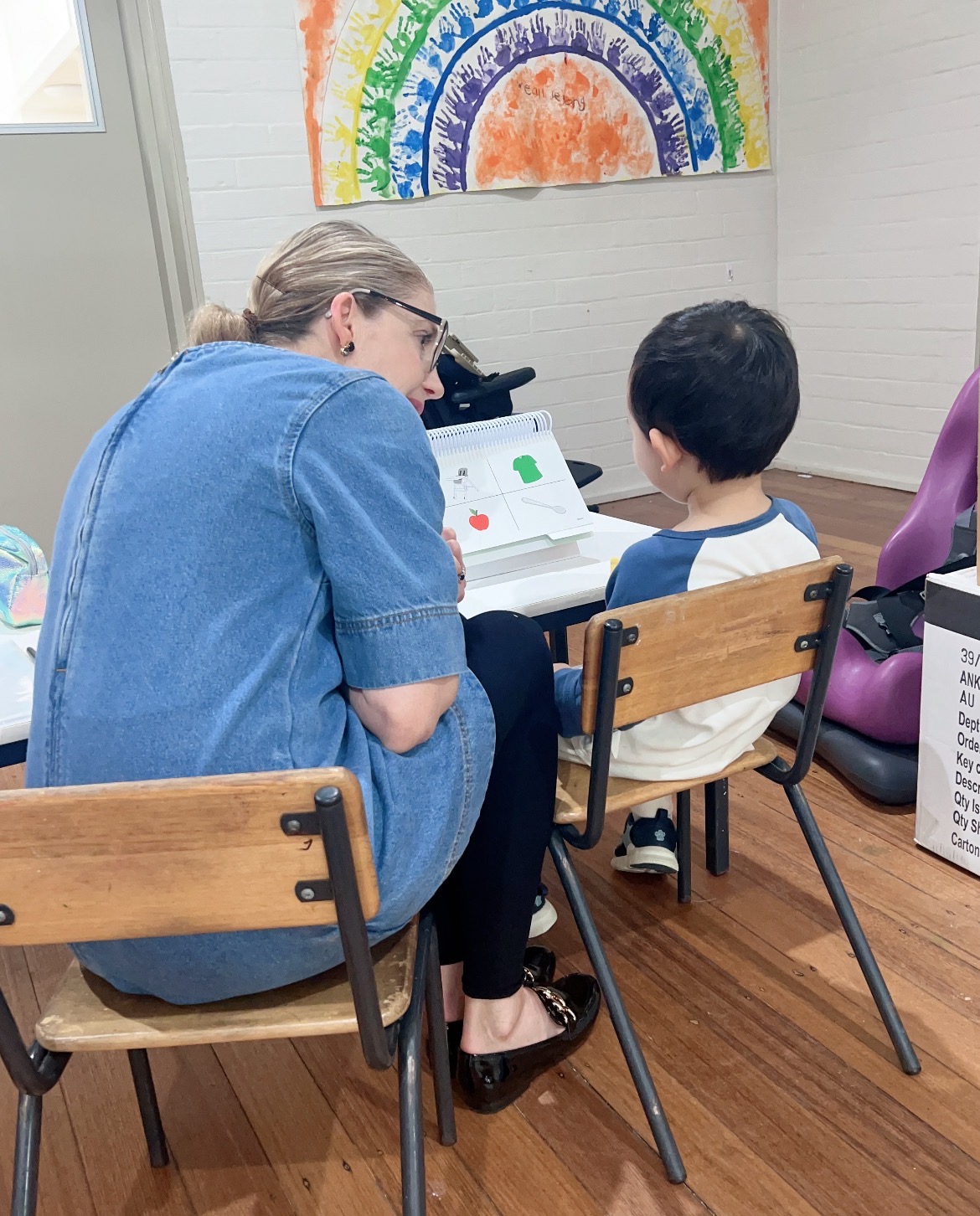
Early Identification of Learning Disabilities: What Parents Should Know
Learning disabilities aren't a sign that a child is unintelligent or lazy—they come from subtle differences in how the brain processes information. Parents should keep an eye out for early signs, get a proper evaluation when needed, and use evidence-based approaches to help their child find the way of learning that works best for them.
Recently Published
Continue with New Articles

The Ten-Minute Backpack and Homework Reset

Between Siblings, How Can Love Triumph Over Conflict?

After the Shout: A Four-Step Repair That Keeps the Boundary
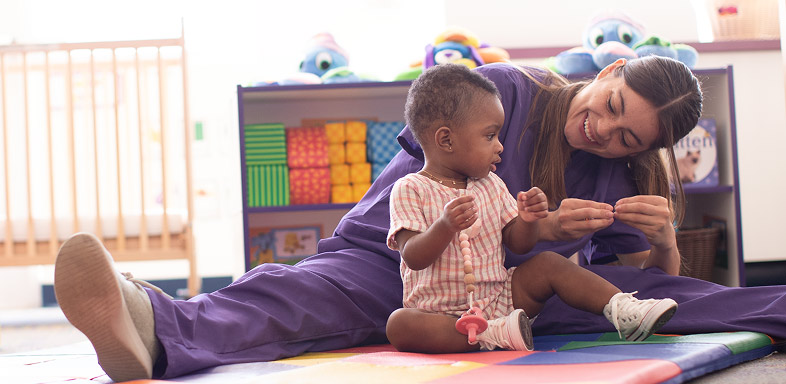
Why Play Is an Important Part of Early Education
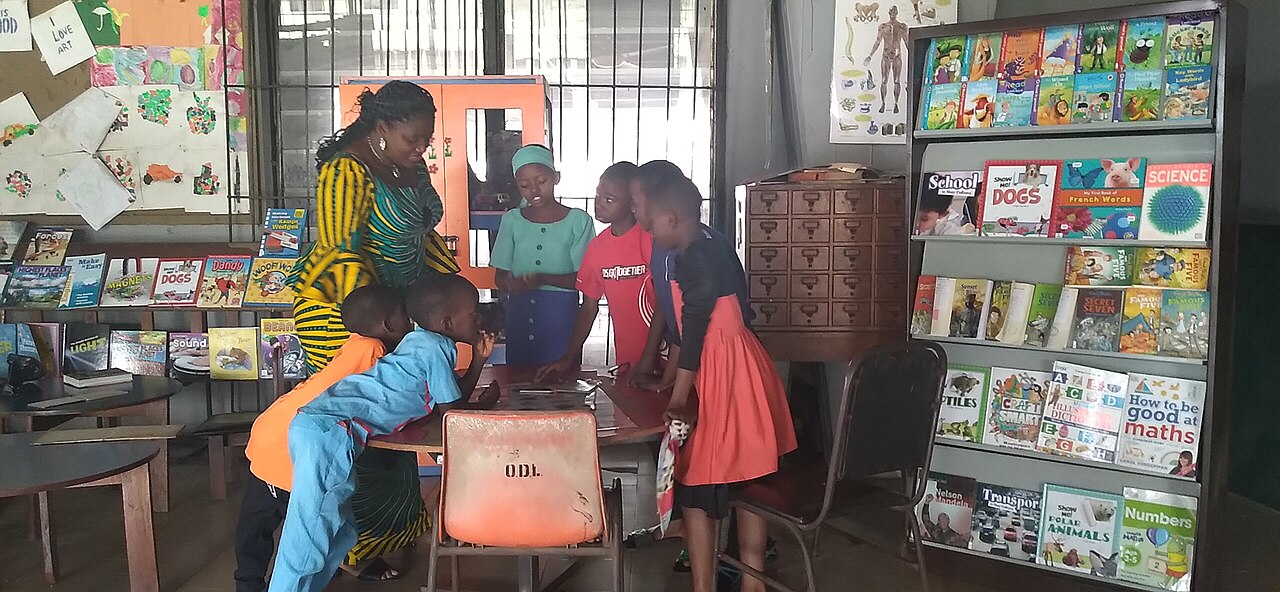
From the Door to Checkout: A Low-Stress Family Library Visit

Building a Balanced School Lunch Without Starting a Food Battle

How to Build a Strong Parent–Teacher Partnership Before Problems Grow

How to provide effective support for children's learning?